
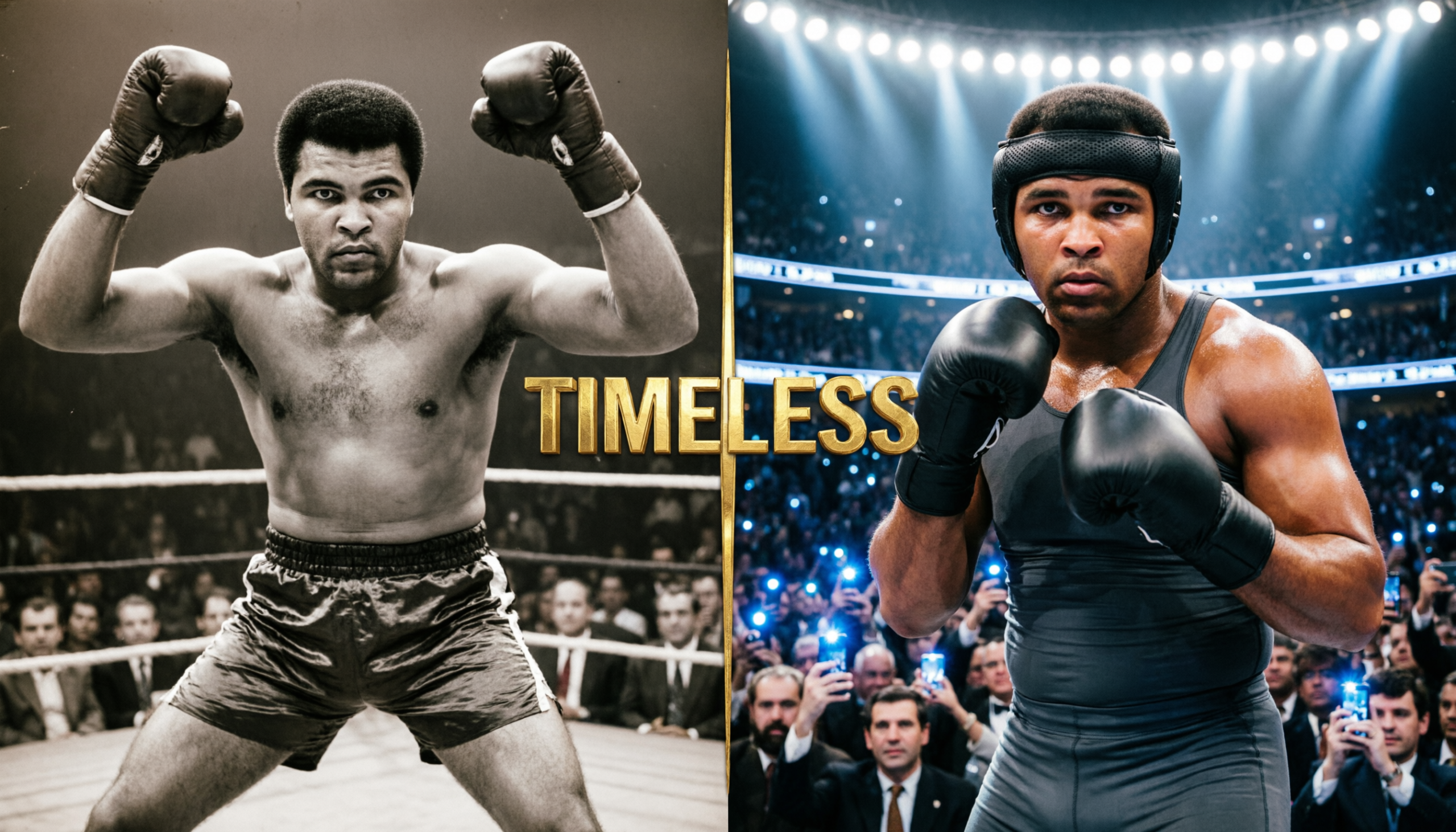
Muhammad Ali in 2026: Would He Still Rule Boxing? Picture Ali stepping off a private jet in 2026, phone in hand, firing off a reel aimed at his next rival, and it hits 50 million views before he even wraps his hands. The cameras follow him, the memes explode, the pay per view numbers climb before a fight is announced. That is where Muhammad Ali in 2026 gets fascinating. Put Ali inside the social media era, add sports science, add billion dollar fight promotion, and you are not shrinking a legend into a new era. You are giving a born showman a bigger stage.
1. Who Was Muhammad Ali, Really? (A quick reminder for new readers — keep it electric)
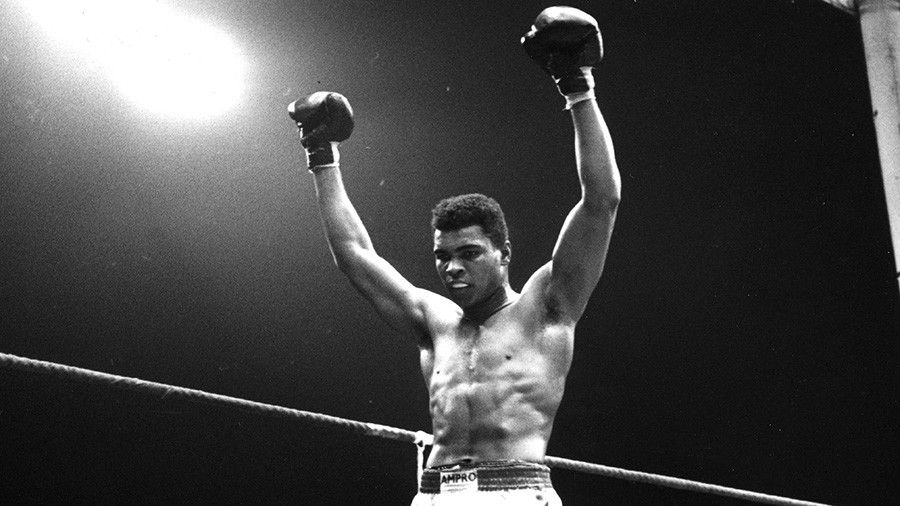
Ali was never just a boxer. He was speed in a heavyweight body, poetry in a press conference, and disruption in gloves. A three-time world heavyweight champion, he moved like smaller men could not move, spoke with a confidence others could not fake, and made the sport feel alive every time he opened his mouth.
Then there was the courage outside the ring. He refused military induction in 1967, lost years of his prime, and still returned to reclaim greatness. That is why the Ali legacy is bigger than title belts.
New fans sometimes reduce him to old footage and famous quotes. That misses the point. Ali was not a product of nostalgia. He was pressure. He forced sport, politics, race, and culture into one conversation. That would translate to any century.
2. The Social Media Version of Ali Would Break the Internet
People say Ali invented modern self promotion. I think he would dominate something even bigger. He would own it.
His press conferences would become viral clips. His training runs would be livestream events. His predictions would trend globally before weigh ins.
The trash talk that would make creators jealous
Ali would understand attention the way elite creators do, except with more charisma and more danger attached to it. His callouts would make modern combat sports 2026 promotion look tame.
He would not use social media as a side tool. He would turn it into psychological warfare. One post could unsettle an opponent. One live session could sell a fight.
The phrase boxing in the social media era almost sounds like it was built for him. Not only would he break the internet, he might redefine athlete branding for every sport.
3. How Ali’s Training Would Look in the Age of Sports Science
This is where things get scary for opponents.
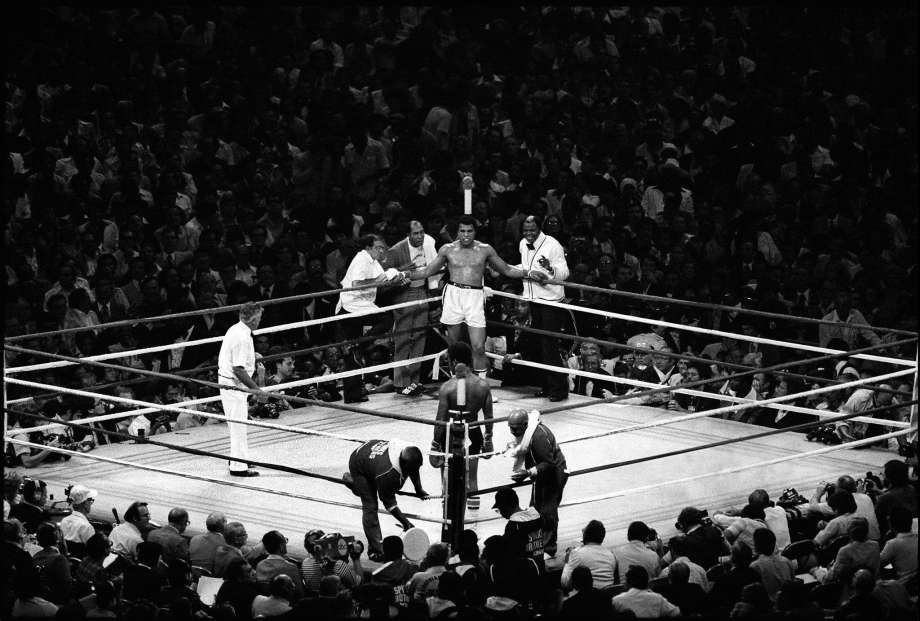
Ali had elite instincts without modern recovery systems. Give him biometric tracking, nutrition teams, altitude chambers, movement analysis, and advanced conditioning, and you might see a sharper version of the man people already call the GOAT of boxing.
Faster, smarter, longer prime
Modern sports science could help preserve the reflexes that made Ali special. It could reduce damage, improve pacing, and extend his championship window.
His roadwork would be measured. His punch output optimized. His defense studied frame by frame.
People often assume old legends benefit less from new science than modern athletes. I think Ali benefits more. Because his raw foundation was already outrageous. Technology would amplify it.
4. Ali vs. Today’s Heavyweight Champions — Could He Win?
Yes, and not by magic. By style.
Modern heavyweights are massive, skilled, and dangerous. But many struggle against movement. Ali built a career around making big men miss, grow frustrated, and fall apart mentally.
Against giants, his footwork becomes the weapon. Against punchers, his timing matters. Against patient technicians, his unpredictability changes rhythm.
The matchup nobody solves easily
Would he beat every heavyweight champion today? No fighter beats every style. But Ali absolutely wins major fights in this era.
Against modern boxing elites, he would lose some rounds, maybe even some fights. But over a full career, he becomes champion. I believe that strongly.
Because great fighters win with skills.
Ali won with skills, mind games, and myth.
5. His Political Voice in 2026 — Louder Than Ever
This part may be even bigger than boxing.
Ali in 2026 would not be quiet. He would use podcasts, interviews, documentaries, and direct social platforms to speak without filters.
And unlike many athletes who speak after brand approval, Ali often moved before permission.
With the reach of digital media, his influence today could go beyond sport into global conversation. That fits his history and even echoes the spirit preserved through Olympic boxing history.
His political voice would likely make him polarizing. Good. Ali was never built to be harmless.
He would be louder than ever because the microphone is larger now.
6. The Pay Per View Machine: Ali’s Net Worth in 2026
This is where numbers become absurd.
Ali in the age of streaming rights, sponsorships, global tours, branded media, and premium pay per view boxing might build wealth on a scale earlier fighters could barely imagine.
One super fight could do historic buys.
One documentary deal could be worth tens of millions.
One apparel line could become a global brand.
And because Ali understood spectacle, he would not be managed into the machine.
He would help run the machine.
His net worth in modern boxing would likely move into the territory of athlete moguls, not just fighters. That is not hype. That is what happens when a generational athlete meets a monetized attention economy.

7. What Modern Boxing Would Learn From Him
Modern boxing has skill. It sometimes lacks soul.
Ali would remind the sport that personality matters, movement matters, conviction matters.
The lesson beyond punches
Fighters today could learn that promotion is not fake when it comes from truth. Ali’s talk was not empty noise. It came attached to performance.
Promoters would learn to build rivalries with meaning.
Young boxers would study not just his jab, but his courage.
The greatest boxer of all time debate often stays trapped in statistics. Ali forces a broader standard. Greatness includes what a fighter changes around him.
That lesson would hit modern boxing hard.
8. The One Thing No Era Could Ever Take From Him
There is one quality technology cannot create.
Presence.
Some athletes enter a room and gravity shifts. Ali had that.
It did not depend on gloves, decade, promoters, or platforms.
It would survive black and white television. It would survive TikTok. It would survive whatever comes after social media.
That is why some legends are portable across eras. Their greatness is not tied to conditions.
It is tied to force of character.
And no era could take that from him.
9. Would Ali Still Be Called the Greatest in 2026?
Yes. Though the debate would be louder.
Some would argue size evolution favors modern giants.
Some would argue modern training makes everyone better.
Fair arguments.
But once Ali starts winning elite fights, commanding culture, reshaping boxing in the social media era, and influencing beyond sport, the GOAT of boxing label stays attached.
Because the case for Ali was never only about record.
It was always about range.
Fighter. Thinker. Entertainer. Symbol.
Most champions master one lane.
Ali owned all of them.
10. Final Verdict — Some Legends Are Timeless
Muhammad Ali in 2026 does not become smaller under modern pressure.
He becomes bigger.
The tools of the age would multiply what already made him dangerous. More exposure for his mind. Better science for his body. Bigger economics for his brand.
And the old question, could he survive today, starts sounding backward.
The sharper question is whether modern boxing could handle him.
I think it would struggle.
Because some legends fit an era.
Others bend eras around themselves.
Ali was the second kind.
What Makes a Legend Survive Every Era?
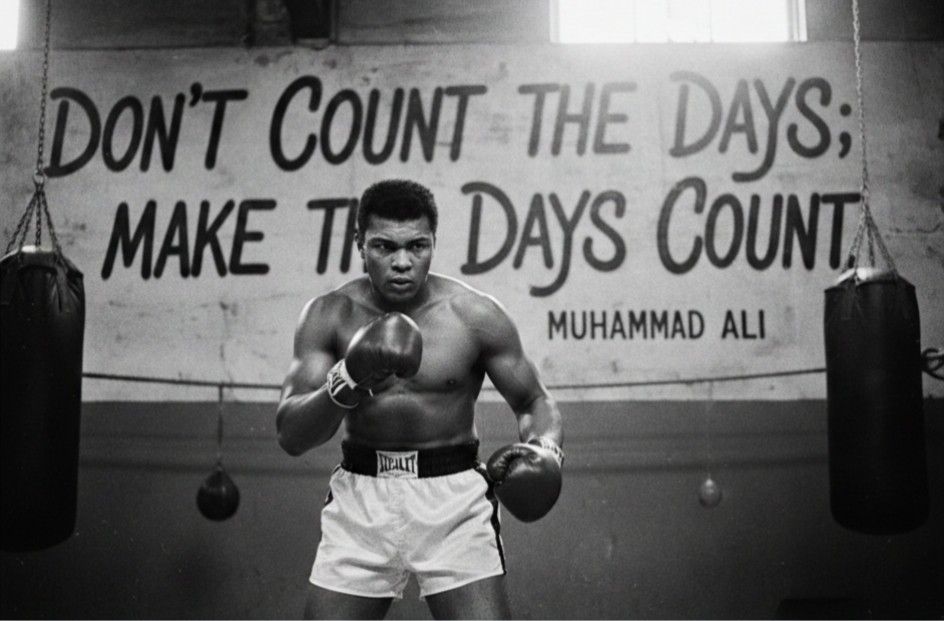
A timeless legend is never only the best at the craft. A timeless legend changes the meaning of the craft.
That is why Ali survives every decade. His Ali legacy is not preserved by old highlights. It lives because the ingredients still matter now: courage, originality, competitive brilliance, and influence today.
Many stars are perfect products of their time. Rules help them. Conditions favor them. Their dominance can fade when context changes.
Ali feels different.
Put him in old school boxing. He rises.
Put him in modern boxing. He rises.
Put him in combat sports 2026 with global cameras, digital pressure, and nonstop scrutiny, and he may rise even higher.
That is what separates a historical champion from a universal one.
Legends who travel across eras do not adapt because they are lucky.
They adapt because their core was built deeper than fashion.
Final Thoughts
The strongest argument for Ali has never been that he would beat every man in every fantasy matchup.
It is that every serious era would have to deal with him.
That is a different kind of greatness.
Muhammad Ali in 2026 would still provoke, entertain, inspire, and very likely collect titles. But even beyond belts, he would force the sport to feel bigger than business.
And maybe that is the reflection that lingers after all the debate fades:
Some champions win inside the ring.
A rare few make the ring feel too small for what they were.